
Recipes

Mains, Autumn Jemma Mrdak Mains, Autumn Jemma Mrdak

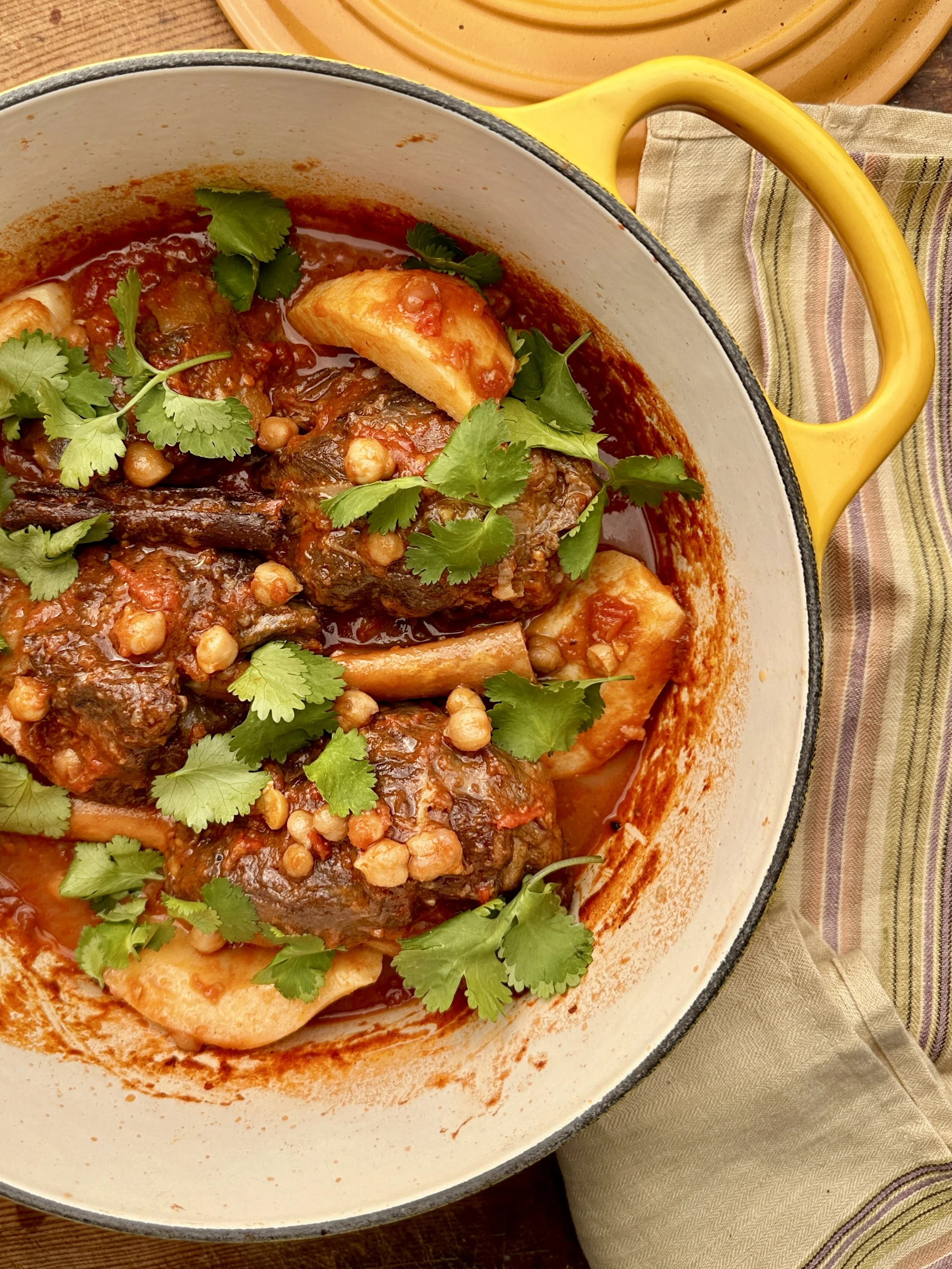
SPICED LAMB SHANKS WITH QUINCE AND CHICKPEAS

The arrival of cooler autumn evenings signals the start of slow cooking, filling the home with mouthwatering aromas.

Recipe

The arrival of cooler autumn evenings is a signal for slow cooking to begin, filling the home with mouthwatering aromas.

This dish only takes a couple of hours for the meat to fall off the bone, become meltingly tender and absorb the warm spice tones of cardamom, cumin and cinnamon.

The sour-sweetness of the pomegranate molasses and quince adds a tartness to balance out the richness of the lamb. The meal can be made ahead, refrigerated and will taste even better the next day (see note). Serve with a green salad.

Serves 4

Heat 2 tablespoons of olive oil in a heavy-based pot, just large enough to lay the shanks side by side (an enamel cast iron casserole is good), over a medium-high heat.

Add the shanks and cook for 8 minutes, turning meat every 2 minutes to brown well all over. Remove the shanks to a plate and wipe out the pot with paper towel. Reduce heat to medium. Add the remaining oil and onions and cook for 5 minutes until softened, stirring occasionally.

Add the spices, stirring until aromatic, about a minute. Add the stock, pomegranate molasses, lemon juice and lemon peel, salt and a generous grinding of pepper and gently stir to combine ingredients. Add the quince and bring to a gentle low simmer, reducing the heat if necessary, as the quince flesh can break up if cooked too rapidly.

Cook for 15-20 minutes until quince are just tender when pierced with a point of a knife, then using a slotted spoon transfer to a plate and set aside. Stir the tomatoes into the pot, then arrange the shanks to sit side by side, cover the surface with a piece of baking paper, then with a tight-fitting lid.

Increase the heat and bring to a simmer, then reduce heat to low and cook at a gentle simmer for 11/2 hours, turning the meat 2-3 times. Remove lid, add the chickpeas and continue cooking for 30 minutes.

At this stage the meat should be almost falling off the bone, if preferred the meat can be removed and returned to pot, discarding the bone, or leave with the bone intact. Add the quince segments and cook for 2 minutes to heat through. 

Taste and add extra salt, if necessary. 

To serve, ladle into serving bowls. Scatter over coriander to garnish. 

Note: If making a day ahead of serving, cool to room temperature and refrigerate overnight. The next day remove any solidified fat from the surface and discard. Reheat over a low-medium heat to warm through. 

Ingredients

60ml (¼ cup) olive oil

4 lamb shanks

1 onion, finely sliced

5 cardamom pods, gently crushed to split

2 teaspoons ground cumin

1 teaspoon ground allspice

1 cinnamon stick

11/2 teaspoons sea salt

black pepper

750ml (3 cups) chicken or vegetable stock

2 tablespoons pomegranate molasses

Juice of a lemon 

peel of a lemon, pith removed

2 quince, peeled, quartered and core removed

420g can crushed tomatoes

1 cup cooked chickpeas (or 420g can, drained)

1/3 cup coriander leaves, roughly chopped

Read More
Mains, Autumn Jemma Mrdak Mains, Autumn Jemma Mrdak

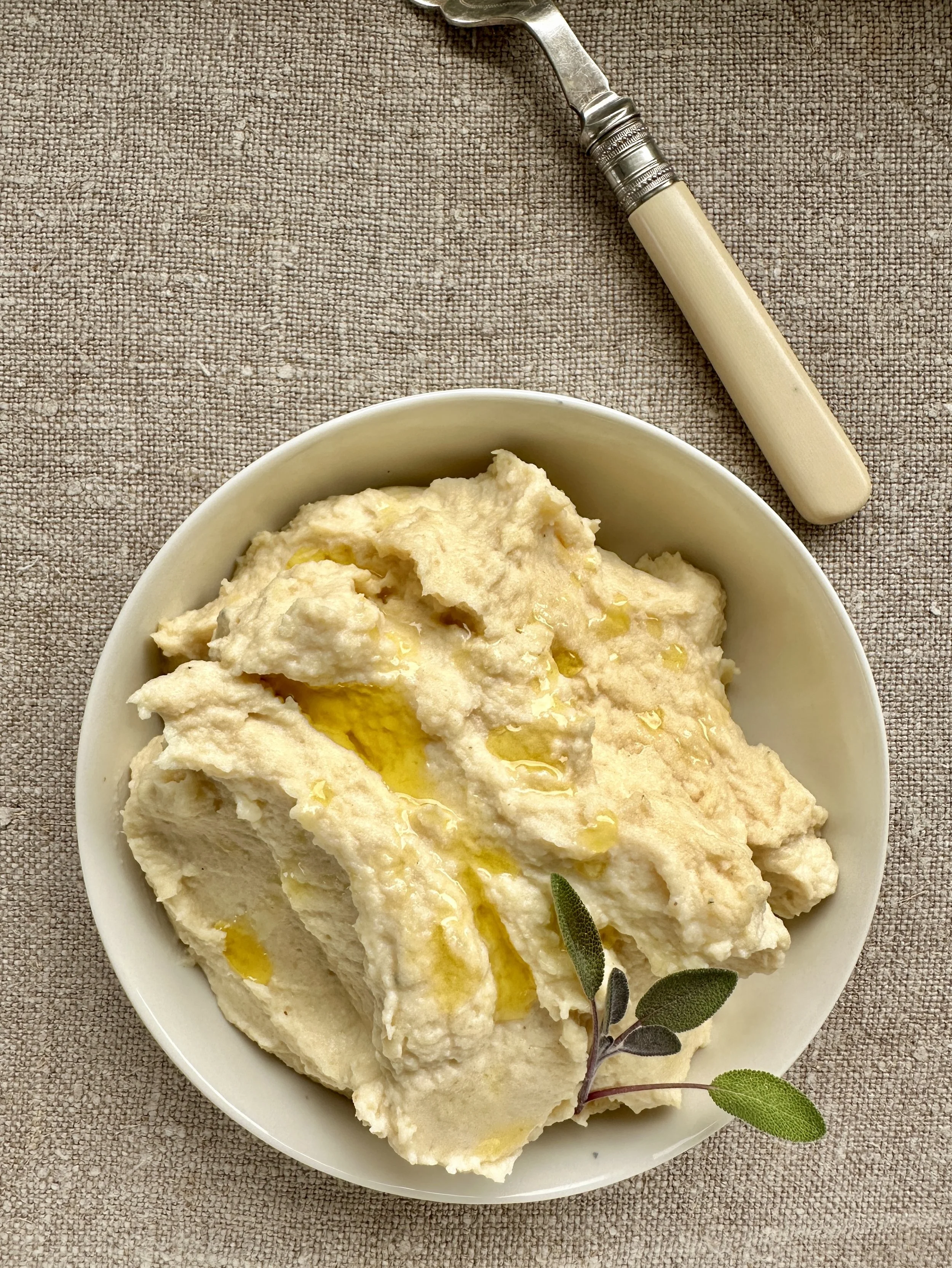
PARSNIP AND CELERIAC MASH

As the days cool down during autumn, parsnip and celeriac hit the fresh produce market shelves.

Recipe

As the days cool down during autumn, parsnip and celeriac hit the fresh produce market shelves. The colder the evening the sweeter the taste, as the sugar content increases. For anyone unfamiliar with celeriac, creating a mash is a wonderful introduction and an alternative to potatoes. 

Cooking parsnips and celeriac in a half-half combination of milk with stock creates an earthy, sweet, smooth and creamy texture. Serve with your next slow cook, like a lamb shoulder or osso bucco and you won’t be disappointed.

Serves 6 as a main or 4-6 as a side.

Peel the parsnips, cut into quarters lengthways and remove the centre core (this can be woody). Slice parsnip into 2cm-3cm pieces. 

Using a sharp knife, cut away the knobbly base of the celeriac and peel the skin. Place the cut side down on the chopping board and cut into roughly 1cm dice.

Heat the butter and oil in a large heavy based frying pan over a medium heat. Add the chopped celeriac and parsnip and cook for 5 minutes, stirring occasionally to prevent sticking to base of pan. Add the milk, stock or water, garlic, sage sprigs and a teaspoon of salt in a medium saucepan. Increase heat to medium-high and bring to the boil, then immediately reduce heat to low and cover with a tight-fitting lid.

Cook for about 12 minutes or until very tender and easily pierced with a fork. Remove from the heat. At this stage most of the liquid will have been absorbed, remove the lid and allow any excess liquid to evapourate, about 5 minutes if necessary. Discard the bay leaf and sage. Ignore the milk curds throughout the vegetables, this all adds flavour and blends into the mash.

Transfer cooked parsnip, celeriac and garlic to a food processor and add the crème fraiche then blend until smooth. Season with salt, if needed. Alternatively, for a rustic coarse style mash, simply add the creme fraiche to the pan of vegetables and crush with a potato hand masher to the desired consistency.

Serve in a bowl garnished with fresh sage leaves and a drizzle of extra olive oil, to pass around

Ingredients

650g parsnips

650g -700g celeriac

30g unsalted butter

2 tablespoons extra virgin olive oil, plus extra for drizzling

125ml (1/2 cup) milk

125ml (1/2 cup) vegetable or chicken stock (or water)

1 garlic clove, peeled

6 sprigs sage leaves, plus extra sage leaves for garnish

sea salt flakes

200g crème fraiche

Read More
Mains, Autumn Jemma Mrdak Mains, Autumn Jemma Mrdak

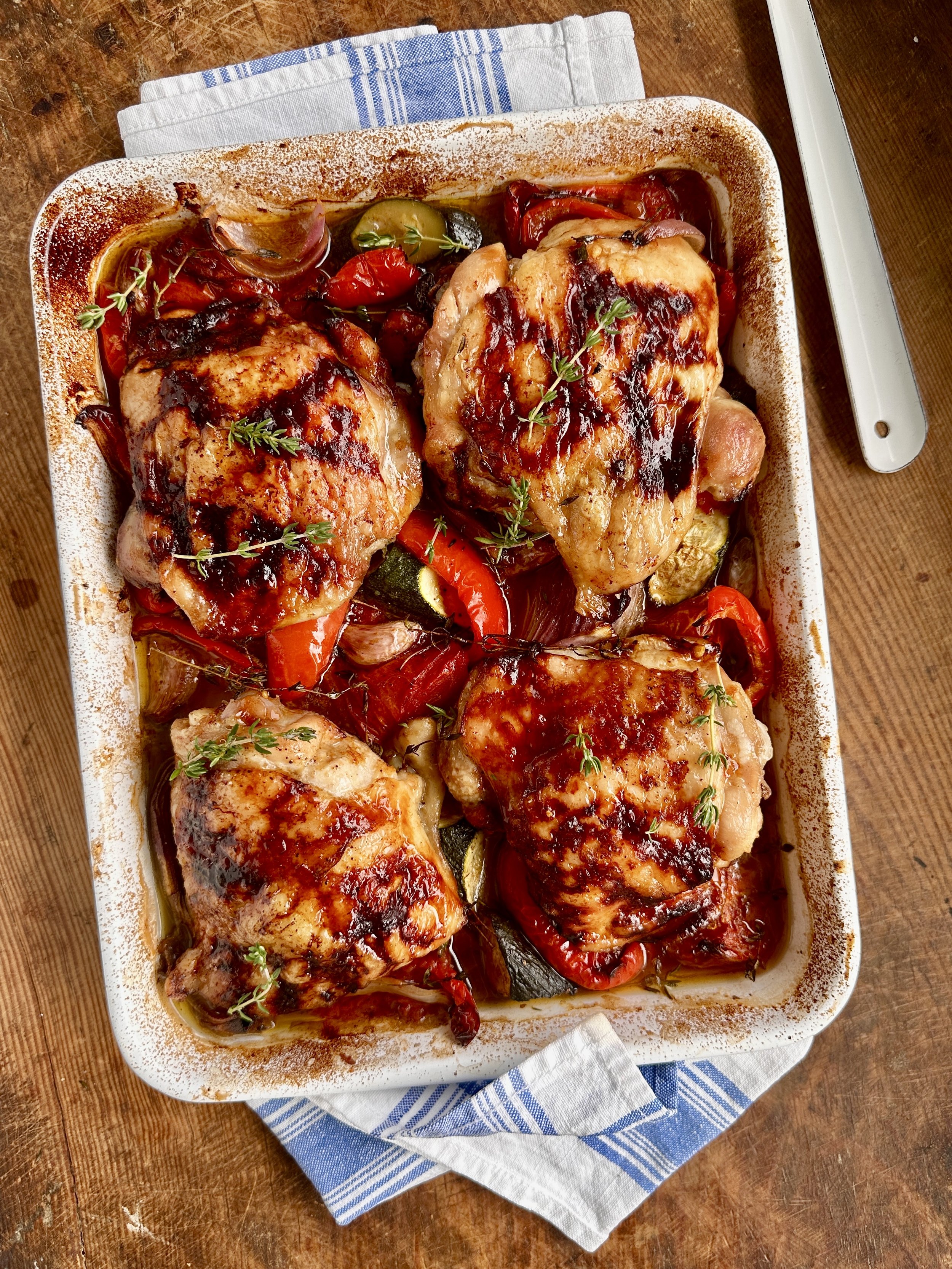
MEDITERRANEAN CHICKEN TRAY BAKE

A comforting one-dish tray bake that’s big on flavour with little preparation.

Recipe

A comforting one-dish tray bake that’s big on flavour with little preparation. Let the oven do the work and you’ll be rewarded with moist tender chicken and vegetables. Serve with rice or crusty bread to sop up the delicious cooking juices

Serves 4

Pre-heat the oven to 185°C (165°C fan-forced). Have ready a roasting tray about 25cm x 20cm. 

Add all the vegetables and thyme to the roasting tray. Drizzle ¼ cup of olive oil and a tablespoon of balsamic over the top, and sprinkle with salt and a good grinding of pepper, then gently toss to coat well and spread vegetable out evenly to cover the base. Brush the chicken chops all over with more olive oil and place on top of the vegetables, skin-side up. Drizzle over the remaining balsamic vinegar and pour in the wine.

Place the tray in the oven and bake for 30 minutes, then remove and baste the chicken with the cooking juices. Return the tray to the oven and bake a further 30-35 minutes, or until the chicken is cooked through. 

Remove from the oven and transfer to the table to serve. 

Ingredients

2 large tomatoes, each cut into 6 wedges

2 medium zucchini, cut into 3-4cm pieces 

2 red capsicums, core and seeds removed, each cut into 8 strips

1 red onion, cut into 6 wedges

10-12 sprigs of thyme, plus extra for garnish 

1/3 cup extra virgin olive oil

2 tablespoons balsamic vinegar (or red wine vinegar)

1 ½ teaspoons sea salt flakes

black pepper

4 chicken chops with skin on (thigh with bone-in), about 260g each

½ cup white wine 

Read More
Autumn, Snacks & Desserts Jemma Mrdak Autumn, Snacks & Desserts Jemma Mrdak

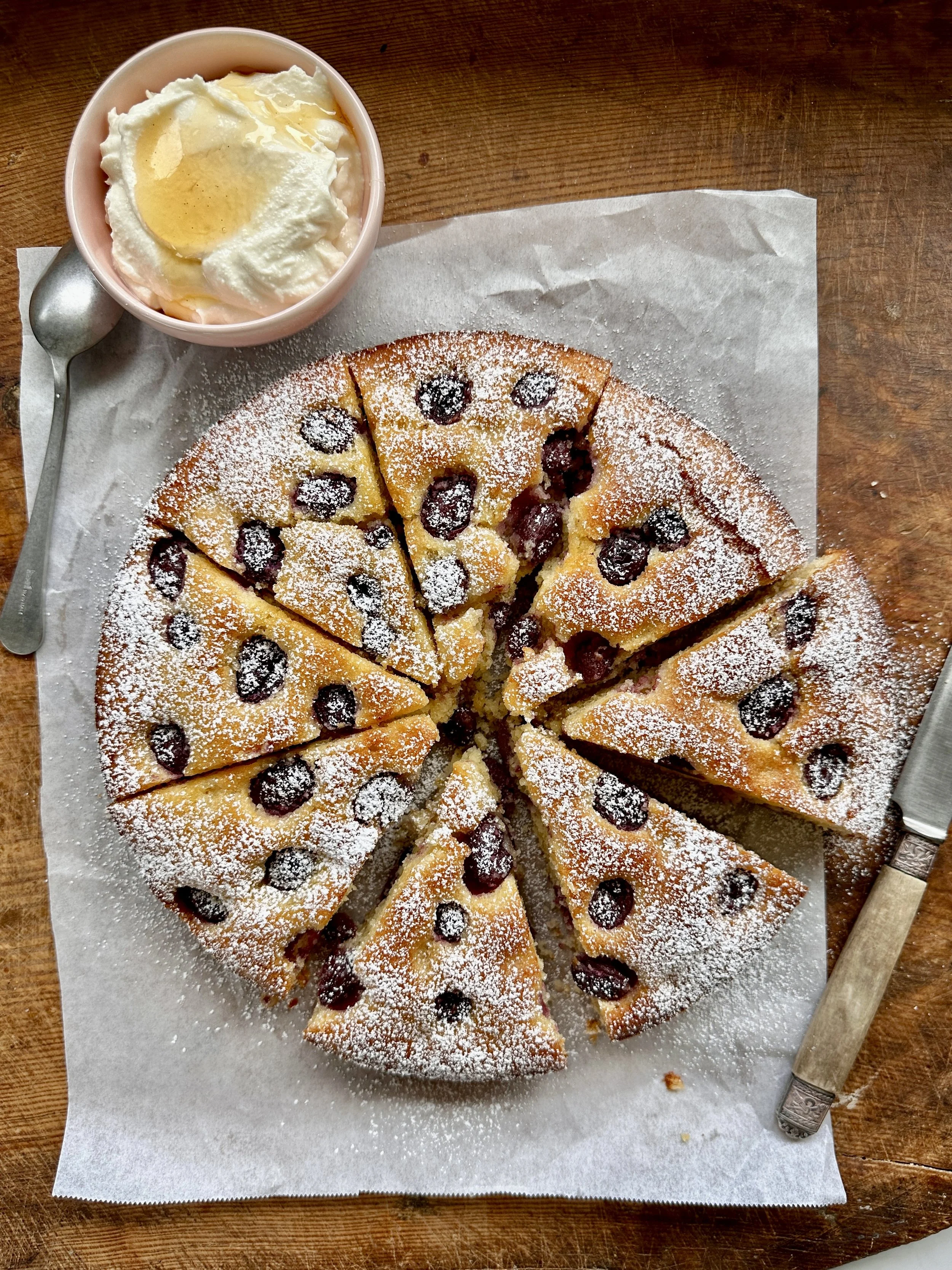
ROASTED GRAPE AND OLIVE OIL CAKE WITH HONEYED RICOTTA CREAM

A cake to celebrate the autumn season.

Recipe

A cake to celebrate the autumn season. Roasting the grapes helps concentrate the fruit sugars for a pop of sweet juicy delight in each mouthful. The olive oil creates a moist cake that keeps well for a few days. Serve with a dollop of honeyed ricotta, a coffee and time to enjoy.

Serves 8-10

Line a baking tray with baking paper. Spread grapes over the lined tray and place in the oven, then turn temperature setting to 180°C (160°C fan-forced). Roast the grapes for 15 minutes, remove from the oven and set aside to cool for 10 minutes. Leave the oven on.

Grease and line the base of a 24cm spring form cake tin.

In an electric mixer beat the eggs, sugar, oil and zest for 2 minutes on medium-high speed. Mix in the milk. Sift the dry ingredients over the wet mixture, then stir in to mix well. Stir in half the grapes to combine well.

Pour the batter into the prepared tin. Scatter over the remaining grapes. Bake for an hour or until a skewer comes out clean. Cool in the tin for 10 minutes, before removing the sides. Transfer to a wire rack to cool completely. 

To make the honeyed ricotta, place ricotta, cream and honey in a small food processor and blend until smooth, scraping down the sides of bowl occasionally. Refrigerate until needed.

Dust the cake with icing sugar. Cut into wedges and serve with a spoonful of honeyed ricotta.

Ingredients

2 cups (300g) red or black grapes

2 eggs

140g (2/3 cup) caster sugar

125ml (1/2 cup) extra virgin olive oil

Finely grated zest of an orange

125ml (1/2 cup) milk 

150g (1 cup) plain flour

120g (1 cup) almond meal

1 ½ teaspoon baking powder

Pinch sea salt flakes

Honeyed ricotta:

300g fresh ricotta

150ml thickened cream

2 tablespoons warmed honey

Read More
Autumn, Snacks & Desserts Jemma Mrdak Autumn, Snacks & Desserts Jemma Mrdak

WARM PEAR, DATE & WALNUT CAKE

Here’s a play on sticky date pudding with some autumn goodies, pear and walnuts. 

Recipe

Here’s a play on sticky date pudding with some autumn goodies, pear and walnuts. Made with olive oil, the cake is perfect for dairy free friends. Like all heartwarming puddings it’s best served warm with pouring cream or ice-cream. Wrap in baking paper and store in an airtight container in the fridge for up to 4 days, or it’s suitable for freezing too. Reheat in a microwave, or foil covered in a 140°C oven. 

Serves 8-10

Preheat oven to 180°C (160°C fan-forced). Grease a 22cm-23cm round cake tin with extra oil and line the base and sides with baking paper. Boil a kettle of water.

Place the dates and bi-carbonate of soda in a medium bowl. Pour over 250ml (1 cup) of boiling water.  Leave to soak for 20 minutes.

Peel two pears, cut in half lengthways, then cut each half into four wedges, removing the core. Set aside. Coarsely grate the remaining pear into the date mixture, discarding the core.

Meanwhile, using electric beaters mix the oil, sugar and vanilla extract until creamy and the sugar has dissolved, about 2-3 minutes. Add the eggs one at a time beating well after each addition. Gently stir in the date mixture and walnuts, if using, to combine. Sift the flour, baking powder and spices over the oil mixture, then gently stir in to combine well. 

Pour the batter into the prepared cake tin.  Arrange the pear wedges in a circle over the surface. Bake for 45 minutes or until a skewer comes out clean when inserted.  Leave for 10 minutes, before removing from the tin.

Cut the warm cake into wedges. Serve with cream or a scoop of ice cream. 

Ingredients

60ml (1/4 cup) extra virgin olive oil, plus extra for greasing

150g fresh medjool dates, pitted and roughly chopped (7-9 dates depending on size)

1 teaspoon bi-carbonate of soda

3 firm ripe Beurre Bosc pears 

150g (3/4 cup) brown sugar

1 teaspoon vanilla extract

2 eggs

35g (1/3 cup) coarsely chopped walnuts (optional)

225g (1 ½ cups) plain flour  

2 teaspoons baking powder

2 teaspoon ground ginger

½ teaspoon mixed spice

Read More
Autumn, Snacks & Desserts Jemma Mrdak Autumn, Snacks & Desserts Jemma Mrdak

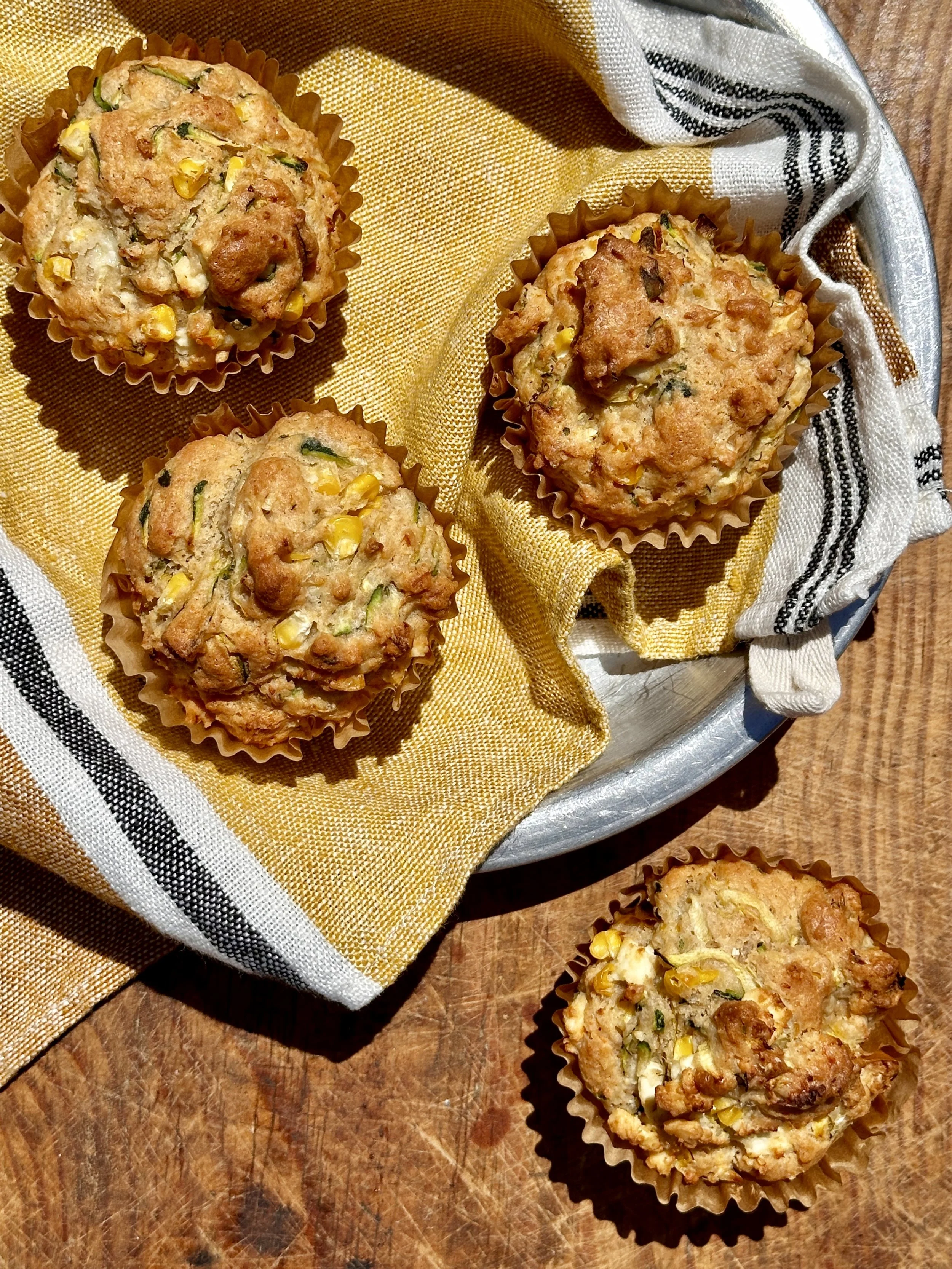
ZUCCHINI, CORN AND FETA MUFFINS

These muffins are a winner for the lunch box.

Recipe

These muffins are a winner for the lunch box. Filled with a combination of late summer, early autumn vegetables, herbs, cheese and eggs. Make a batch for the week ahead and pop in the freezer, to grab and go each day. Otherwise, eat and enjoy on the same day of baking.

Makes 12 muffins

Pre-heat the oven to 190°C (170°C fan-forced). Line twelve ½ cup muffin holes with paper cups, alternatively brush the inside of each hole with olive oil to grease well.

Coarsely grate the zucchini into a sieve sitting over a bowl. Sprinkle the salt over the zucchini and toss to mix. Set aside for 15 minutes, then take small handfuls and squeeze out excess water.

Run a sharp knife along edge of the corn cob to remove the kernels. Discard cob and set the kernels aside.

Sift the flour and baking powder into a large bowl. In a separate bowl, whisk the eggs, melted butter, yoghurt and milk to combine well. Stir in the corn, zucchini, fetta spring onions and herbs. Make a well in the centre of the dry ingredients then pour in the wet mixture. Stir gently with a spatula until just combined, avoid over mixing, the batter should still be a little lumpy. 

Spoon the batter into prepared paper cups. Bake for 25 minutes, until golden and a skewer comes out clean. Cool for 5 minutes, then transfer to muffins to a wire rack to cool.

Tip: Substitute the plain flour with wholemeal or spelt flour. 

Ingredients

olive oil for greasing 

250g zucchini (1 medium size)

½ teaspoon sea salt

1 sweetcorn cob, husks and silk removed

300g (2 cups) plain flour 

4 teaspoons baking powder

1 egg

90g unsalted butter, melted

½ cup (125g) Greek natural yoghurt

½ cup (125ml) milk

60g feta, crumbled

2 spring onions, finely chopped

2 tablespoons chopped coriander (or dill or flat-leaf parsley)

Read More
Summer, Mains Jemma Mrdak Summer, Mains Jemma Mrdak

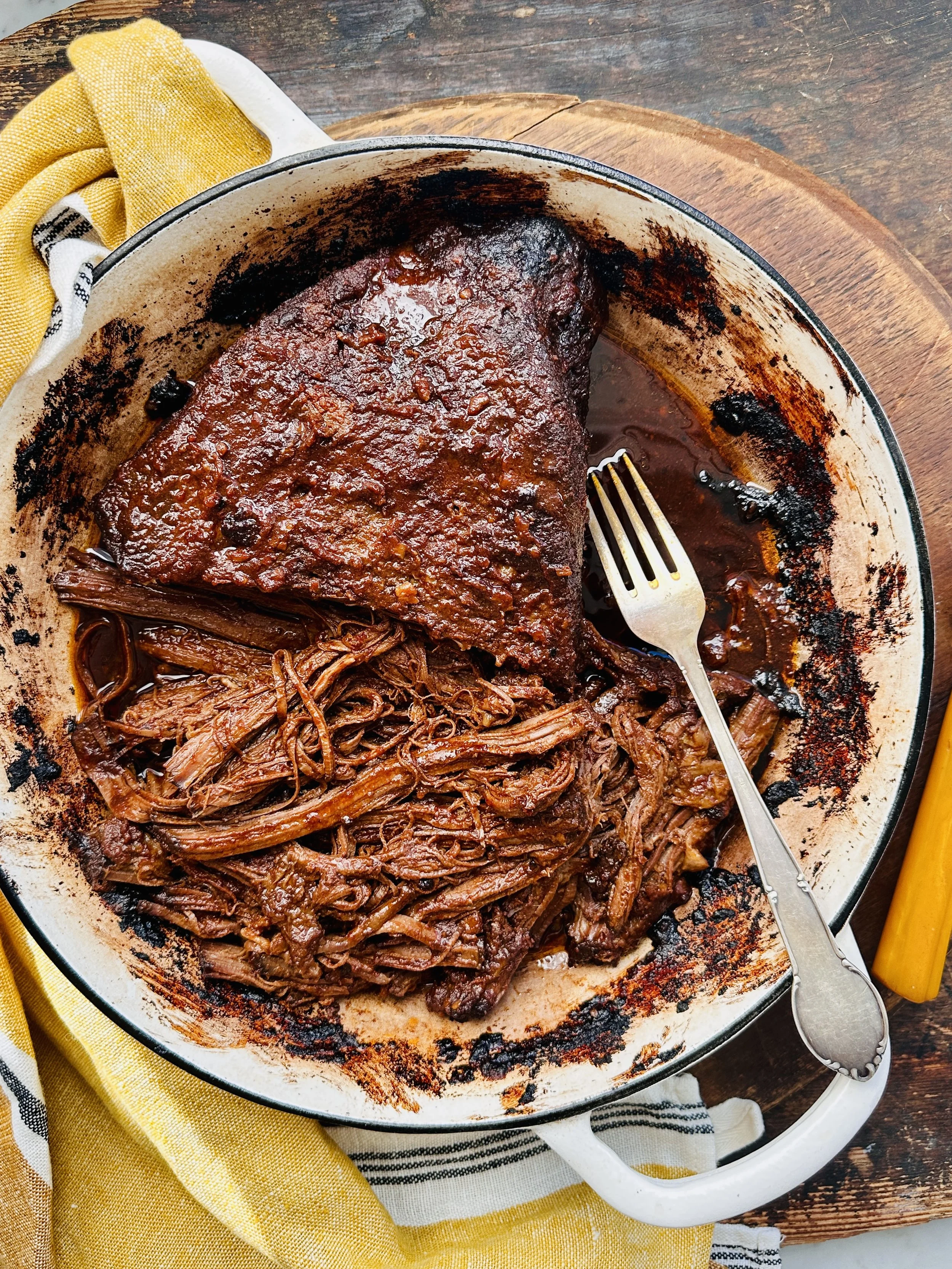
SPICED TOMATO AND CIDER BRISKET

This is a dish of maximum flavour for minimum effort.

Recipe

This is a dish of maximum flavour for minimum effort. Yes, this takes several hours to cook, but it’s the oven doing the work and it only needs 20 minutes of your time to prepare.

It also can be cooked a couple of days ahead then gently reheated ready to serve. Slow cooked brisket is for a great meal when feeding a hungry crowd. Serve with a tangy coleslaw in rolls, or pair up with pickled vegetables like cucumbers or sliced red onions, an aged cheddar cheese and leafy greens.

Serves 6 - 8

Combine all the spice rub ingredients in a non-reactive container with lid (plastic, ceramic or glass is good) large enough to sit the meat flat. Rub the spice mix over the meat to coat all the sides well. Cover with the lid and place in fridge for at least an hour or up to 24 hours, if time allows.

When ready to cook remove the meat from fridge 30 minutes before cooking. Preheat the oven to 160°C (140°C fan-forced).

Use a deep heavy based dish just large enough to lay the meat flat (it will shrink while cooking) with a tight-fitting lid (such as enamelled cast iron casserole). Alternatively, line a deep sided roasting dish with a double layer of foil allowing overhang of about 5cm around the edges. This will make it easier to seal the edges and protect the dish from baked on sauce when cleaning later.

Combine all the braising stock ingredients and pour into the dish. Place meat into the dish and cover with lid, or if using a foil lined dish cover with a generous sheet of foil, then fold and seal along the foil edges. Transfer to the oven and bake for 5 hours or until fork tender, this may take up to 6 hours depending on thickness and size of piece. After each hour of cooking, remove the lid or unseal the foil and baste the meat with cooking at the same time checking the liquid has not reduced too much, adding some water if necessary. Then cover with lid or reseal edges, making sure the foil edges are sealed well again to avoid evaporation and continue baking.

When the meat is fork tender ready, remove the lid or top layer of foil and increase the heat to 200°C (180°C fan-forced) and return to oven to cook for 12-15 minutes until it starts to lightly char around the edges. Remove from oven and let meat rest for 15 minutes.

Transfer meat to a chopping board. Remove excess fat from the sauce and discard. Shred the meat along the grain into strands using two forks. Return meat to the sauce to serve.

Note: If you prefer a thicker sauce, pour the remaining cooking liquid from base of the dish into a saucepan and place over a high heat then reduce to desired consistency.

Ingredients

1.5kg-1.8kg grass-fed quality beef brisket

Spice rub mix:

1 tablespoon sea salt flakes

1 teaspoon ground black pepper

1 tablespoon smoked paprika

1 tablespoon ground cumin

1 tablespoon ground coriander

2 tablespoon brown sugar

3 garlic cloves, crushed

Braising liquid:

1 cup (250ml) tomato passata

2 cups (500ml) beef stock

330ml (small bottle) dry apple cider

Read More
Summer, Snacks & Desserts Jemma Mrdak Summer, Snacks & Desserts Jemma Mrdak

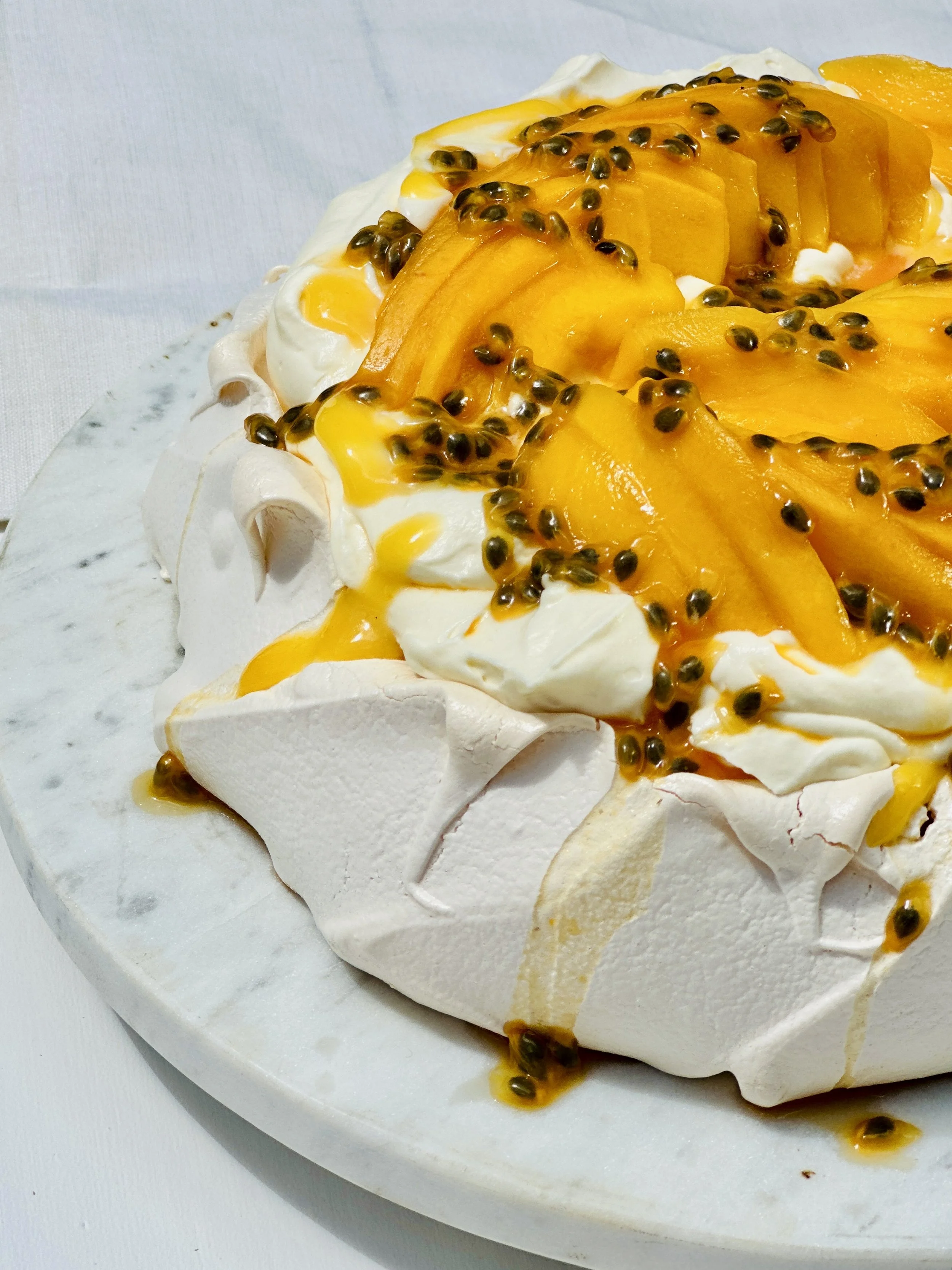
PAVLOVA TOPPED WITH LEMON CURD CREAM, MANGO AND PASSIONFRUIT

The Pav is one of Australia’s favourite summer desserts.

Recipe

The Pav is one of Australia’s favourite summer desserts For an end of meal delight, here it is topped with a rich lemon curd – made with the leftover yolks – swirled through whipped cream, then crowned with sliced fresh seasonal mango and a drizzle of passionfruit pulp.

Start with the freshest eggs, follow the instructions and you’ll be rewarded with a crisp meringue crust and cloud-like marshmallow centre.

Serves 8

Preheat oven to 160ºC (140°C fan-forced). Line a baking tray with baking paper. Using a 20cm diameter plate or cake tin to trace around, draw a circle on the paper.

Using an electric mixer, whisk the egg whites on the medium setting in a clean bowl until soft peaks start to form. At this point continue whisking, while slowly adding the caster sugar a spoonful at a time, until all the sugar is incorporated. Increase speed to high and whisk for about 5 minutes until the meringue is firm, glossy and silky. Sift the cornflour over the meringue. Add the lemon juice and gently fold with a spatula into the meringue mixture, to just combine.

Spoon the mixture into a pile in the centre of the circle on the baking paper. Gently flatten the top, shaping mixture into a 20cm round. To create decorative sides, using the back of a spoon, gently swipe up from the base, working all the way round. Place in the oven and immediately reduce oven to 110ºC (90°C fan-forced). Cook for 1 ½ hours. Turn off the oven and leave the pavlova in it to cool completely, at least 6 hours.

When ready to serve, gently fold about ½ cup of lemon curd into the whipped cream. Spoon the cream mixture on top of the pavlova, then dollop around two or three extra teaspoonfuls of curd. Carefully create a swirled effect with the curd and cream with a spoon. Top with the mango slices. Drizzle over the passionfruit pulp.

LEMON CURD

Makes 1 cup

4 reserved egg yolks

75g caster sugar

100ml freshly squeezed lemon juice (about 2 lemons)

finely grated zest of 1 lemon

75g unsalted butter

Whisk the yolks and sugar together in a medium saucepan to combine well. Stir in the lemon juice and zest. Add the butter. Place the saucepan over a medium heat and continue to stir for about 5 minutes until butter melts, the mixture thickens and just begins to bubble. Remove from heat immediately and transfer to a sterilised jar. When cooled, refrigerate. This will keep for up to two weeks.

Ingredients

4-5 egg whites (you need 120g), reserve the yolks

240g (1 cup + 2 tablespoons) caster sugar

2 teaspoons cornflour

2 teaspoons lemon juice or apple cider vinegar

2 mangoes, peeled and flesh thinly sliced

2 passionfruit, cut in half and scrape pulp into a small bowl

½ cup Lemon curd (see recipe below)

300ml thickened cream, whipped until firm peaks form

Read More
Summer, Mains Jemma Mrdak Summer, Mains Jemma Mrdak

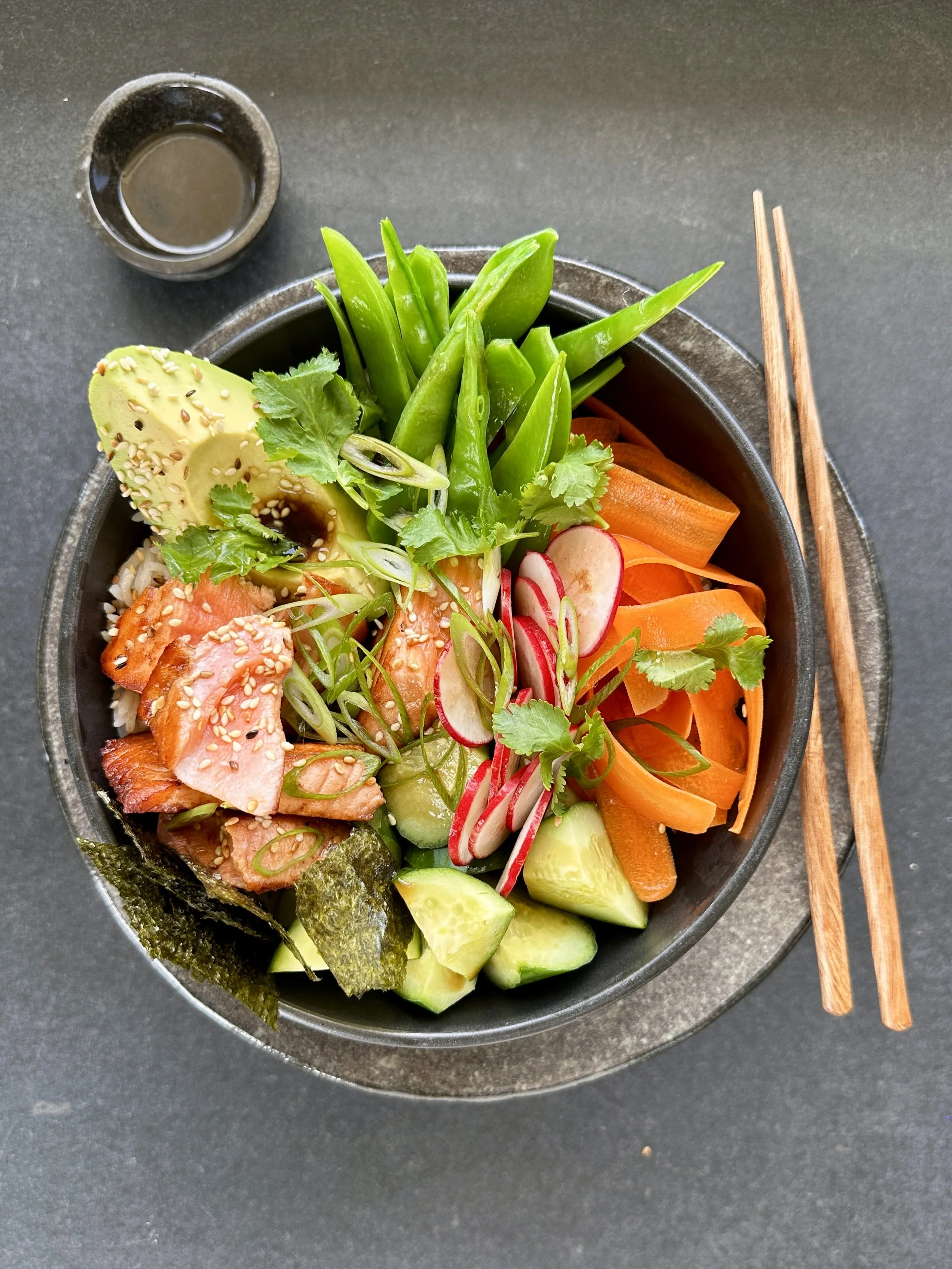
SALMON RICE BOWL

This is a take on the popular Poke Bowl - an easy, quick, nutritious and refreshing summer meal.

Recipe

This is a take on the popular Poke Bowl. It’s a dish originating from Hawaii where the local fisherman toss sliced raw fish in a quick Japanese-style marinade, then serve with an array of condiments as a snack.

In this bowl, the fish is tossed in a marinade, then seared to get a lovely golden caramelised crust with tender, moist flesh inside. The brown rice has nutty notes and is tossed with a sushi rice dressing. Each vegetable provides colour, texture, freshness and flavour contrasts. Create your own rainbow of vegetables in a bowl. All the components can be prepared ahead. It’s an easy, quick, nutritious and refreshing summer meal. 

Serves 4.

Place the rice and 750ml of water in a medium saucepan over a high heat and bring to the boil. Cover with a tight-fitting lid, reduce the heat to low-medium and cook for 20-25 minutes, or until the rice is tender and the water is all absorbed.  Remove from heat and set aside covered for 10 minutes.  

Meanwhile, combine all the dressing ingredients in a medium bowl. Place salmon in a shallow bowl and pour over 11/2 tablespoons of the dressing, turning the fish to coat all sides. Cover and place in the fridge for 20 minutes.

To prepare the rice, stir the rice vinegar, sugar and salt in a small bowl to dissolve. Spread rice over a flat non-metallic tray and pour the vinegar mixture over the rice.  Using a spatula, mix the rice and spread it out again.  Repeat stirring and spreading the rice to cool it quickly to room temperature. If not using straightaway, transfer the rice to a sealed container and refrigerate until needed. 

Heat the oil in a small heavy-based frying pan over a medium heat. Add salmon to the frying pan and cook for 2 minutes on each side until golden on the outside and still moist, tender and just cooked inside. (the flesh should be bright orange in colour)

To serve, divide the rice between four serving bowls. Divide and arrange the avocado and vegetables among the bowls. Break the salmon into bite-sized pieces and place on top. Drizzle over the remaining dressing. Scatter with coriander, spring onion, shredded nori and sesame seeds. Serve immediately.

Ingredients

2 cups brown rice

1/4 cup rice vinegar (found in the Asian aisle of the supermarket)

1 teaspoon caster sugar

¼ teaspoon sea salt

4 x 100g fresh salmon or ocean trout fillets 

1 avocado, quartered, pit removed

4 small radishes, finely sliced

100g (2 small) carrots, sliced into thin strips, using a vegetable peeler

100g snow peas, blanched in boiling water for 1 minute, refreshed in cold water

1 spring onion, finely sliced on a diagonal

¼ cup coriander leaves

¼ cup shredded nori sheet, garnish (optional)

1 tablespoon toasted sesame seeds, garnish

Dressing:

2 tablespoons soy sauce

2 tablespoons rice vinegar

1 tablespoon sesame oil

Read More
Summer, Snacks & Desserts Jemma Mrdak Summer, Snacks & Desserts Jemma Mrdak

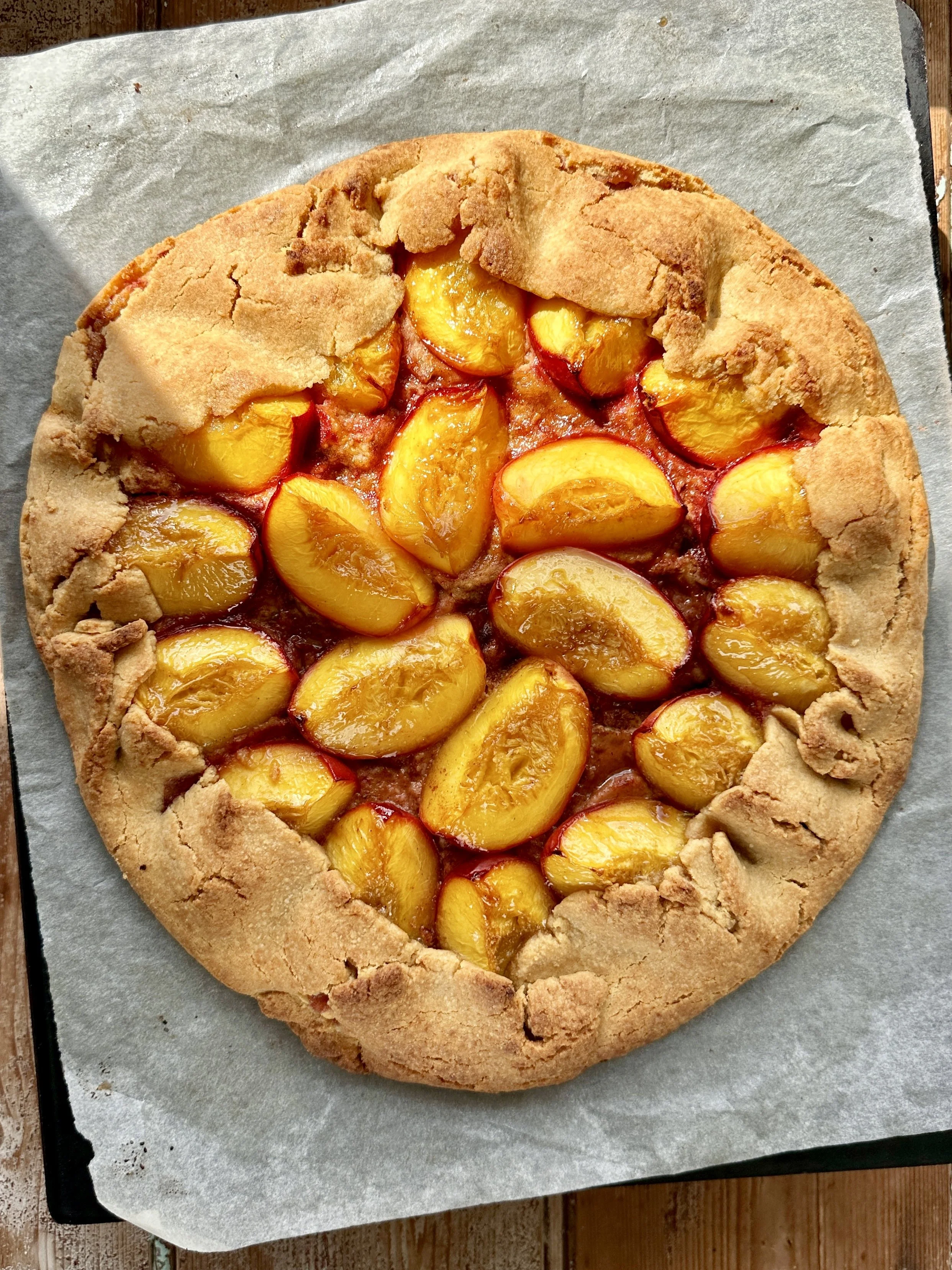
RUSTIC NECTARINE TART

Here’s a free-form tart that is perfectly-imperfect. It has that rustic appeal. 

Recipe

Here’s a free-form tart that is perfectly imperfect. It has that rustic appeal. Use summer’s best stone fruit offerings – the nectarines can be replaced with plums, apricots or peaches. Mixing ground almonds with some fruit helps absorb some excess juices and forms a creamy layer between the lemony crust and the fruit on top. It’s delicious eaten warm or at room temperature.

Serves 8 - 10

To make the pastry, place the flour, sugar, lemon rind and butter in the bowl of a food processor. Blend until mixture resembles coarse breadcrumbs. Add the yolk and lemon juice and pulse until the mixture just comes together (it’s a crumbly mixture, to test, press between fingers and it should form a dough). Turn the dough out onto a clean work surface and push it together to form a 2cm thick disc. Place in a container in the fridge to rest for an hour. 

Set aside 200g nectarines. Stir the zest and sugar in a medium sized bowl until the sugar is dissolved. Cut the remaining nectarines each in half and add to the bowl, tossing to coat in the mixture. Leave for 10 minutes.

Preheat oven to 190°C (170°C fan-forced).

Place the ground almonds, cinnamon, rosemary and reserved 200g of nectarines in the food processor and blend until smooth.

Roll out the pastry on a sheet of baking paper to form a 32cm round. Transfer the paper with pastry onto a baking tray. Spread the almond-fruit mixture over the centre of the pastry, leaving a 5cm border around the edge. Spread the nectarine pieces, cut side up, in single layer, reserving any juices collected in base of the bowl. Fold and pleat the pastry border over the fruit, leaving the centre exposed.

Bake for 35 minutes, or until the pastry is golden. Brush the reserved juices over the fruit. Serve warm or at room temperature with thick cream or ice-cream. 

Ingredients

1kg nectarines, halved and pits removed

finely grated zest of ½ an orange or lemon

11/2 tablespoons brown sugar

50g (1/2 cup) ground almonds 

1 teaspoon ground cinnamon

1 teaspoon fresh rosemary leaves, finely chopped (or thyme leaves)

Pastry:

300g plain flour

2 tablespoons caster sugar

2 teaspoons finely grated lemon rind

180g chilled butter, cubed

1 egg yolk

2 tablespoons lemon juice

Read More
Summer, Mains Jemma Mrdak Summer, Mains Jemma Mrdak

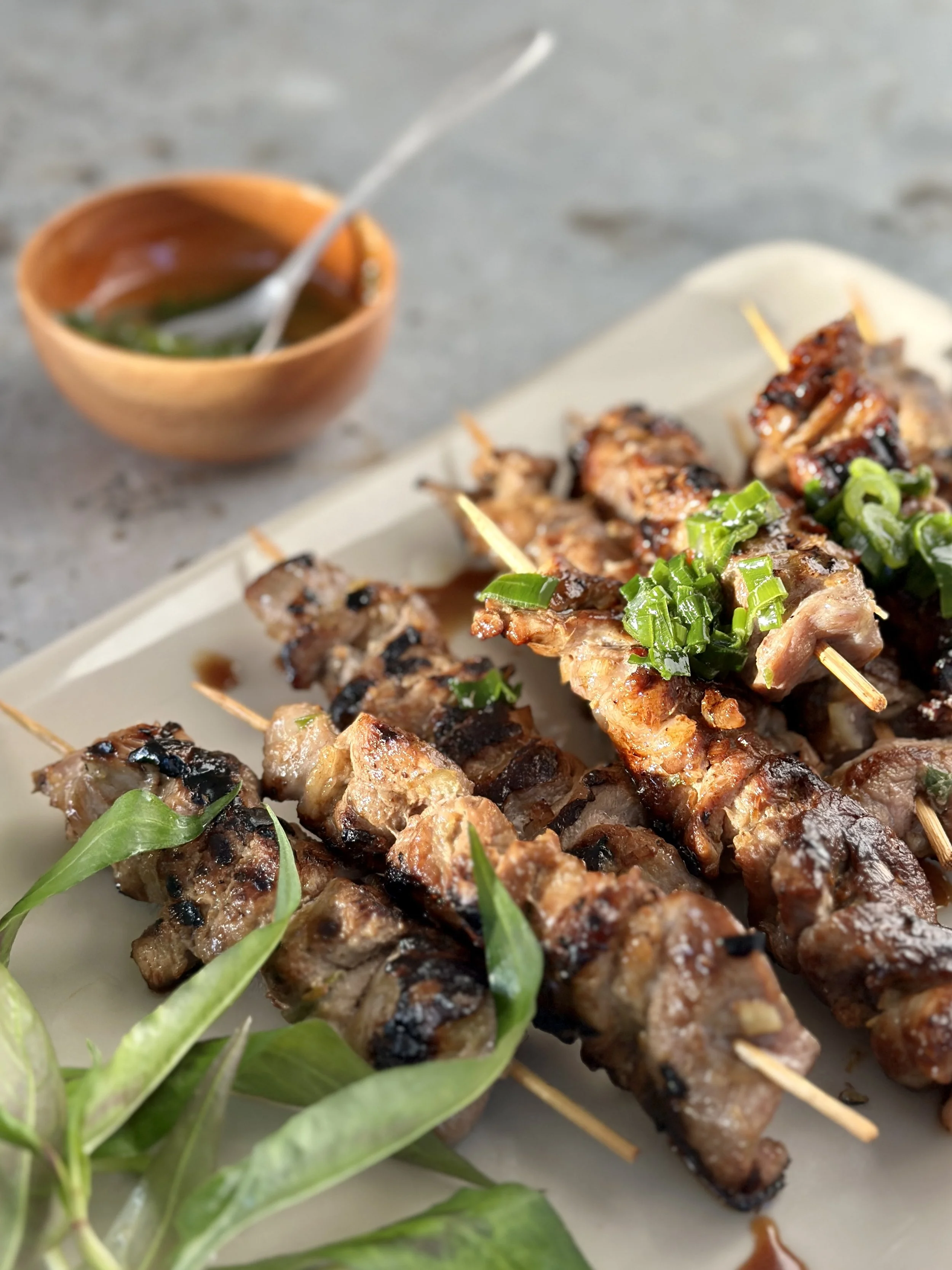
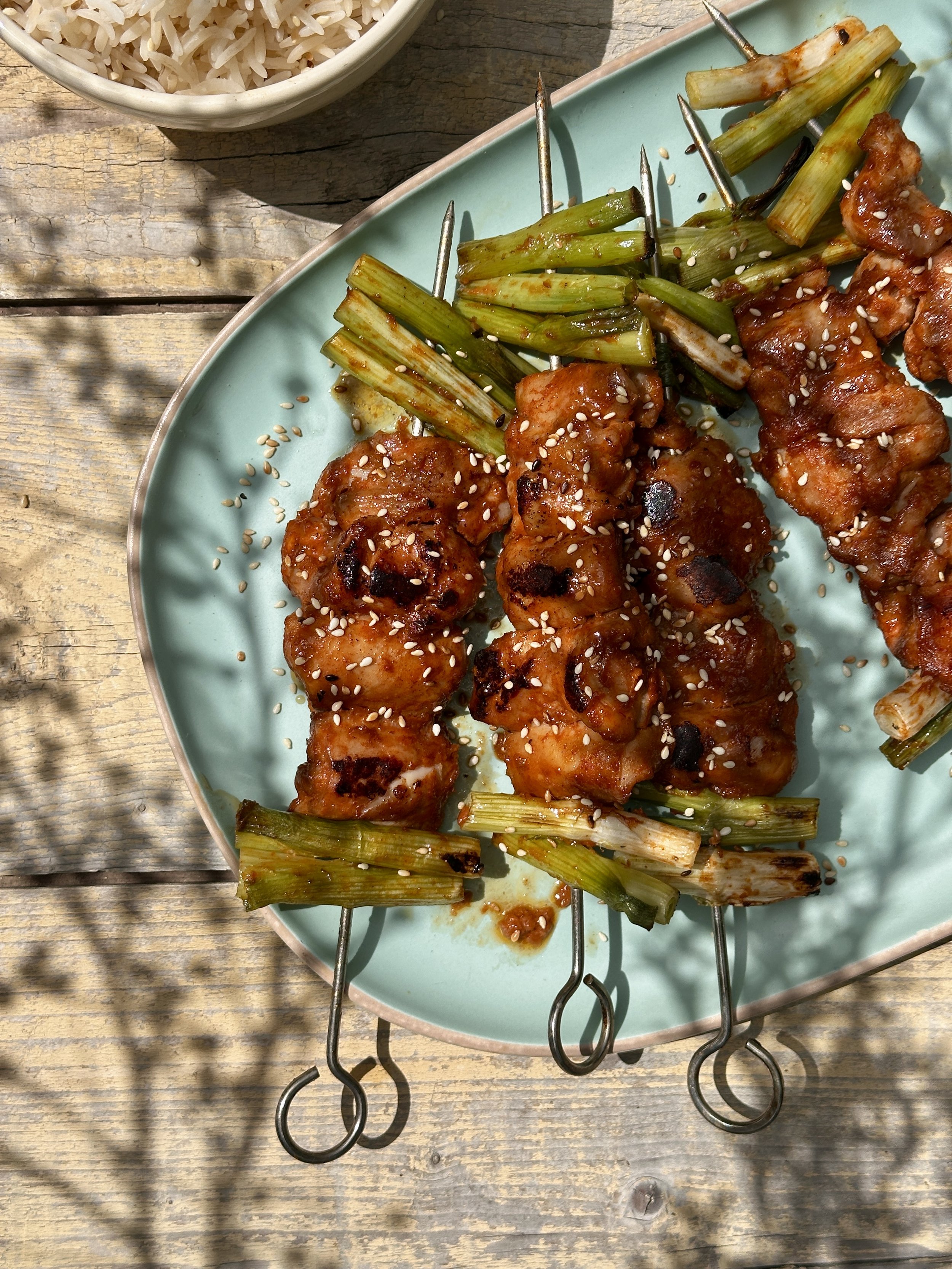
KOREAN STYLE BARBECUE CHICKEN SKEWERS

Here, skewered chicken is bathed in a combination of bold, savoury and sweet flavours along with the Korean sauce, gochujang.

Recipe

Barbecues are perfectly in tune with easy Australian summer outdoor entertaining.

Here, skewered chicken is bathed in a combination of bold, savoury and sweet flavours along with the Korean sauce, gochujang. It’s an umami bomb with a touch of heat. If you’re in a hurry, marinate for 30 minutes, however the longer the meat bathes, the tender and tastier it becomes.

Serves 6

In a glass or ceramic bowl, combine the ginger, garlic, soy, honey, gochujang and sesame oil to make the marinade.

Cut the chicken thighs into 4cm pieces and add to the marinade. Stir well to coat all sides of the chicken pieces. Cover and refrigerate for at least an hour to overnight.

If using bamboo skewers, soak them in water for 30 minutes before threading the meat. Preheat the barbecue plate to medium-high or a cast-iron grill plate over high heat.

When ready to cook, thread 4 to 5 pieces each of spring onion and chicken onto each skewer. 

Arrange skewers in a single layer across the grill plate and cook for 3 to 4 minutes each side, until lightly charred and cooked through. 

Transfer to a serving platter and scatter sesame seeds over the top. 

Note: 1 Australian tablespoon = 20ml

Ingredients

1 tablespoon (20ml) grated fresh ginger (need about 4cm peeled piece)

3 garlic cloves, finely crushed

2 tablespoons (40ml) soy 

1 tablespoon (20ml) honey

3 tablespoons (1/4 cup) gochujang (available in Asian isle of supermarket)

1 tablespoon (20ml) sesame oil

800g (about 10) chicken thighs, without bone and skin (sometimes called chicken chops)

1 bunch spring (green) onions, firm white and green section cut into 3-4cm lengths

1 tablespoon sesame seeds, toasted

Read More
Snacks & Desserts, Summer Jemma Mrdak Snacks & Desserts, Summer Jemma Mrdak

RASPBERRY ROSE SEMIFREDDO WITH PISTACHIO PRALINE CRUMB

Summer time is entertaining time. A chilled dessert like semi freddo is easy to prepare ahead and there’s no need for an ice-cream machine.

Recipe

Summer time is entertaining time. A chilled dessert like semi freddo is easy to prepare ahead and there’s no need for an ice-cream machine. It’s both flavourful and colourful with red seasonal berries, a hint of rose water and anise from fennel seeds and flecks of green from pistachios. It makes for a wonderful centre piece, or simply scoop for more relaxed serving and eating.

Serve 10-12

Line the base and sides of a 25x8cm log tin (about 1.5litre capacity) with baking paper with overhang (this will help lift out when set). Make space in the freezer for the tin to sit flat. Chill serving plate.

In a small bowl, crush 125g raspberries, rose water and a tablespoon of the caster sugar with the back of a fork. Set aside.

Place the eggs, yolk, remaining sugar and vanilla in a large heatproof bowl over a saucepan of simmering water over a low heat, making sure the base of the bowl is not touching the water. Using an electric hand-held mixer whisk continuously until pale, thick and doubled in volume, for about 8 minutes. To test the mixture, lift the beaters and make a figure of eight, it should form a ribbon like trail and hold for a few seconds. Remove from the heat and continue to whisk for 5 minutes until the mixture cools and is tripled in volume.  

In a separate bowl whisk the cream for a minute, then add the creme fraiche and continue to whisk until soft peaks form. 

Gently fold the cream into the egg mixture, then fold through the crushed raspberries. Spoon a third of the mixture into the prepared tin and evenly scatter over a layer of 60g (about 1/3 cup) of raspberries, then repeat with another third of semifreddo mixture and another 60g of raspberries and cover with last third of the semifreddo mixture. Cover and freeze for six hours to overnight, or until set.

To make the praline, line a baking tray with baking paper. Spread pistachios in a single layer into roughly a 20cm circle and scatter over ½ teaspoon fennel seeds. Place the sugar and ¼ cup (60ml) of water in a small saucepan over a low heat. Stir until the sugar dissolves then stop stirring and increase heat to medium high. Cook without stirring until the mixture turns a dark golden colour, this takes about 12 minutes, watching carefully. Immediately remove from the heat and carefully pour to evenly cover the nuts. Set aside for about 30 minutes to leave to cool and harden. Break the praline into 5cm shards, then pulse in a food processor until the mixture resembles coarse breadcrumbs. Store in an airtight container until ready to use.

Wrap a hot damp tea towel around outside of tin to help loosen the semi-freddo. Pull the overhanging paper to the side edges of tin, then place the chilled serving plate over the tin and invert the plate and tin together, holding them both in place. Carefully remove the paper. Scatter over the remaining berries to garnish and sprinkle with praline. Cut into 10 to 12 slices using a knife dipped in hot water in between each cut.

Serve immediately.

Serving tips: Invert the semifreddo onto serving plate a few hours before serving. Keep the baking paper in place and store in the freezer until ready to serve. When ready, peel away the paper, then decorate with the remaining raspberries and the praline.  

Alternatively, the semi freddo can also be frozen in a 1.75litre bowl. Scoop to serve, sprinkled with raspberries and praline.

Ingredients

400g fresh raspberries

1 teaspoon rose water

110g (1/2 cup) caster sugar

4 eggs

1 egg yolk

1 tsp vanilla extract

300ml thickened cream 

200ml creme fraiche

Praline:

80g (1/2 cup) pistachios shelled, roasted

110g (1/2 cup) caster sugar

½ teaspoon fennel seeds (optional)

Read More
Spring, Snacks & Desserts Jemma Mrdak Spring, Snacks & Desserts Jemma Mrdak

SPICED MANGO TARTE TATIN

This is a twist on the French classic upside-down apple tart, Tarte Tatin. Puff pastry is used instead of the traditional shortcrust and coconut sugar with its natural soft toffee flavour notes blend with the spices to creates a buttery caramel.

Recipe

This is a twist on the French classic upside-down apple tart, Tarte Tatin. Puff pastry is used instead of the traditional shortcrust and coconut sugar with its natural soft toffee flavour notes blend with the spices to creates a buttery caramel (if not available substitute with brown sugar). A hint before you start, make sure the pan fits into the oven and the surface is clean and not well-worn, so the fruit does not stick to base.

Makes a 22cm round tart. Serves 8

Have ready a serving platter with raised edges, large enough to hold the tart and any cooking syrup.

Pre-heat the oven to 200°C (180°C fan-forced). Have ready a 20 cm diameter heavy based frying pan that fits comfortably into the oven

Scatter the sugar evenly over the base of a dry frying pan (an enamelled cast iron pan is ideal) over a medium-high heat until the sugar starts to melt around the edges and caramelises, about 1-2 minutes. Keep a careful watch and gently rotate pan to swirl to caramelise the sugar evenly (avoid stirring as causes the sugar to crystallise) , about 1 minute. Quickly remove pan from heat, add the butter, spices and salt and swirl to melt and combine well.

Arrange the mango segments flat side facing upwards (rounded side facing downwards) packed closely to completely cover the caramel layer over the base. Place the chilled pastry circle on top, then working quickly and gently tuck the pastry edges in with a spoon. Score the pastry 3 times on top with point of a sharp knife to allow steam to escape when baking.

Ingredients

350g ready-rolled quality butter puff pastry (23cm sheet Careme pastry used), cut to a 22cm round

2 large or 3 medium ripe mangoes, peeled, core discarded, cut into wedges

75g coconut sugar (or raw caster sugar)

50g unsalted butter

Pinch sea salt flakes

½ teaspoon ground cinnamon

½ teaspoon ground ginger

Quality coconut ice-cream or vanilla ice-cream, to serve

Read More
Spring, Mains, Fish Jemma Mrdak Spring, Mains, Fish Jemma Mrdak

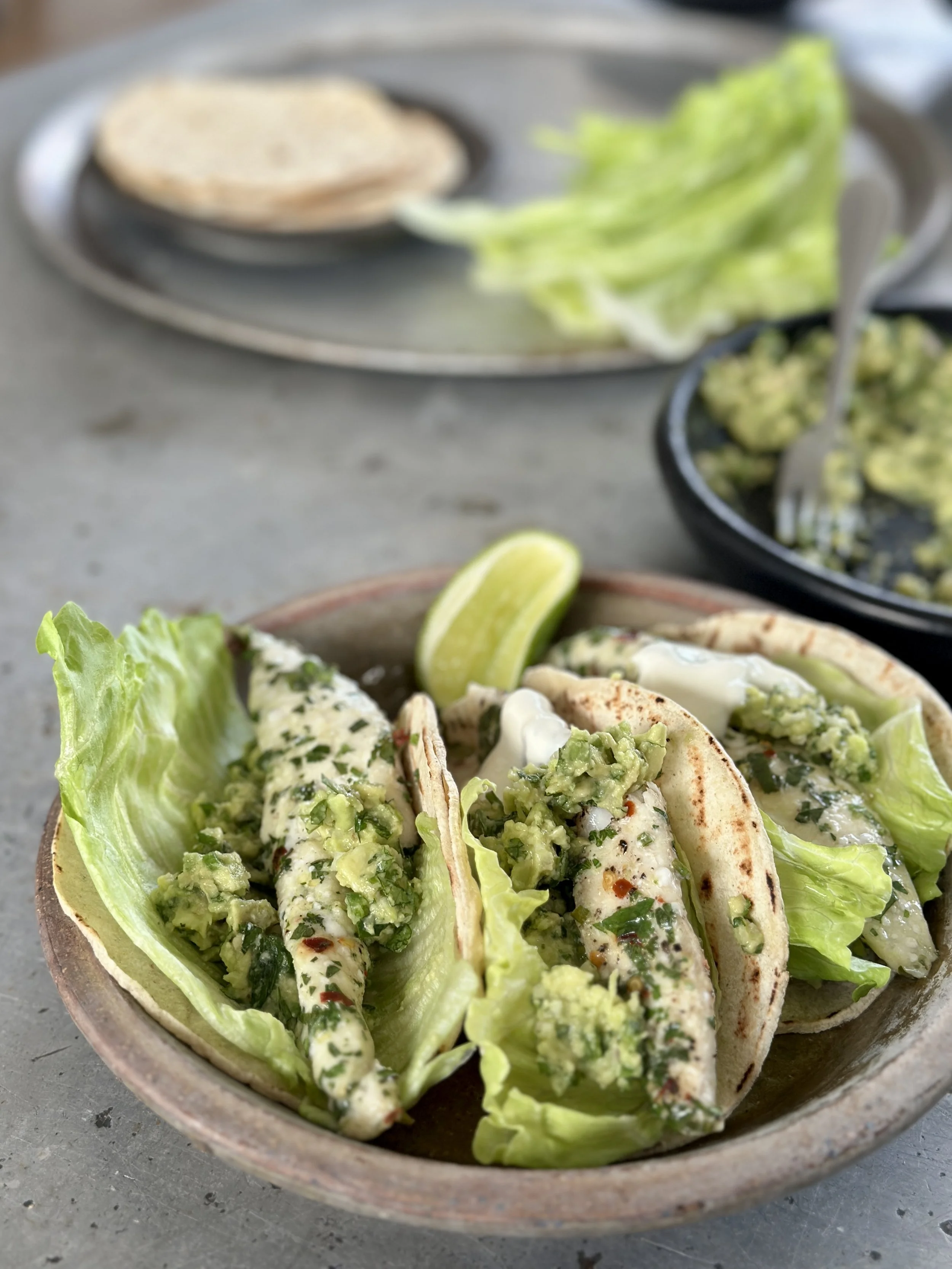
FISH THAI STYLE CURRY

Here’s a quick one pot meal using your favourite curry paste, to create a meal under 30 minutes. Kaffir limes and the coriander roots are included to add freshness to the spicy undertones.

Recipe

Enjoy this quick one pot meal using your favourite curry paste, to create a meal under 30 minutes. Kaffir limes and the coriander roots are included to add freshness to the spicy undertones.

Serves 4

Tie the coriander roots into a bundle with kitchen string.

Heat a tablespoon of oil in a frying pan over medium heat. Add the tomatoes and cook for 10 minutes until the tomatoes have blistered and slightly collapsed. Set aside.

While tomatoes are cooking, heat a tablespoon of olive oil in a large saucepan over a low-medium heat. Add the curry paste, stirring for about a minute until aromatic. Stir in the coconut milk then bring to a low simmer.

Add the stock, lime leaves and coriander roots then bring to a high simmer. Add the tomatoes, any of the pan juices and chopped broccoli stems. Cook for 2 minutes. Stir in the fish sauce, sugar and lime juice. Add the fish and broccoli leaves.

Cook for 2-3 minutes, until the fish is just cooked through. Taste. Ideally the flavour is an equal balance of sweet, salty and sour. Remove the bundle of coriander roots.

Divide the rice between serving bowls and the ladle over the curry mixture. Serve garnished with coriander and basil leaves. Have the lime wedges and fish sauce alongside, to adjust to taste, adding extra fish sauce for saltiness and lime juice for sourness, if desired.

Ingredients

400g cherry tomatoes

¼ cup (60ml) extra virgin olive

1 tablespoon yellow curry paste (recipe test used Mae Ploy brand)

400ml can coconut milk

2 cups (500ml) vegetable or chicken stock

4 makrut lime leaves, torn (or 1 lemongrass stalk)

½ bunch of coriander roots, washed well to remove any trapped dirt

1 bunch Chinese broccoli, stem thinly sliced and leaves roughly chopped

2 tablespoons fish sauce

2 tablespoons brown sugar

2 tablespoons freshly squeezed lime or lemon juice

450g white flesh fish (such as Blue-eye trevalla, snapper)

½ bunch fresh coriander leaves

½ bunch Thai basil leaves

1 lime, cut into wedges

Steamed Jasmine rice, to serve

Read More
Spring, Mains, pasta Guest User Spring, Mains, pasta Guest User

PASTA WITH SPRING GREENS AND LEMON

A fresh and zesty pasta dish with a light creamy finish.

Recipe

A fresh and zesty pasta dish with a light creamy finish.

Serves 4

Have all the vegetable preparation ready. Bring a large pot of salted water to the boil. Add the pasta and cook according to the recommended packet instructions until al dente.

While the pasta is cooking, heat the oil in a large frying pan over a low-medium heat. Add the spring onion and garlic and cook for 2 minutes to soften without browning. Add the asparagus, broad beans and peas. Cook for a minute, then add the lemon juice and cook a further minute, gently stirring occasionally.

Take a ladle full of boiling pasta water then measure out a ¼ cup to pour into the pan and simmer until vegetables are tender, about 2-3 minutes, shaking the pan occasionally and adding a little extra water as needed, if it all evaporates.

Remove from the heat, stir through the cream and herbs, adding a little extra cooking water if needed for the liquid to very lightly coat the pasta all over.

Serve in warmed bowls with a drizzle of the extra olive oil and a grind of pepper. Scatter over the grated parmesan and lemon zest, to serve straight away.

*Note: To double pod larger broad beans, plunge the podded beans into a saucepan of boiling water and cook for a minute. Drain and plunge beans into iced cold water. Peel and pop off the outer skin to reveal the bright green bean inside.

Ingredients

400g dried short pasta such as torchietti (little torches)

¼ cup extra virgin olive oil

½ bunch (about 8) spring onions, tips removed, white and green stem finely sliced

2 garlic cloves, finely chopped

100g asparagus (about 12 spears), tough woody ends removed, stems sliced, tips sliced in half

750g fresh broad beans, podded to yield about 1 ½ cups, (*if beans are large, the skin can be bitter, see note for double podding)

150g (1 cup) freshly shelled peas (frozen can be used)

sea salt flakes

black pepper

2 tablespoons juice and finely grated zest of a lemon

¼ cup thick cream (double cream or sour cream)

2 tablespoons chopped dill leaves

1/3 cup mint leaves

finely grated parmesan

Read More
Spring, Mains, Lamb Guest User Spring, Mains, Lamb Guest User

INDIAN SPICED LAMB KOFTA WITH SPRING HERB YOGHURT SAUCE

These flavour-packed koftas paired with a fresh, herby yoghurt sauce make the perfect spring dish - light, zesty, and full of character.

Recipe

These flavour-packed koftas paired with a fresh, herby yoghurt sauce make the perfect spring dish, light, zesty, and full of character. For effortless entertaining, shape the mixture into bite-sized meatballs, cook slightly less, and serve warm with the sauce on the side for dipping.

Makes approx 8 - 10.

In a large bowl, add the lamb, spices, pepper and salt. Mix with hands (wear food safe gloves protects hands) kneading the meat and spices to combine thoroughly together.

Place the onion, garlic, ginger, chilli and coriander in the bowl of a food processor. Blend until finely chopped and paste like. Tip into the lamb mixture scraping down the processor bowl with a spatula. Mix again with hands into the spiced meat to combine well.

Have ready a bowl of water. Divide lamb mix into 10 pieces or weigh out 55g for each piece. Roll the lamb pieces into oval torpedo shapes, dipping hand into the water occasionally to prevent sticking when shaping. Transfer into large container placing side by side. Cover and refrigerate for at least 2 hours to allow flavours to develop and the meat firm. These can be made a day ahead.

Make the sauce 2 hours ahead, or alternatively up to a day ahead to allow for flavours to develop well. Place the herbs, chilli, salt and yoghurt in a small bowl of a food processor. Blend until herbs are finely chopped and the mixture turns a pale green. Transfer to a sealed container and refrigerate until required.

When ready to cook, preheat the oven to 200°C (180°C fan-forced). Remove the lamb koftas from fridge 20 minutes before cooking. Have ready a baking tray.

Heat oil in a large heavy based frying pan over a medium heat. Cook meat in two batches. Add half the kofta in a single layer and cook for about 6 minutes, browning well on all sides, shaking pan to rotate the meat. Avoid using tongs as the meat can break up. Transfer to the baking tray. Repeat frying with remaining oil and raw kofta, then add to the tray. Place in the oven and bake for 4-5 minutes until just cooked through. Test if cooked through by breaking one open. There should be no pink meat inside.

To serve spread half the sauce over a platter, then arrange the kofta over the top. Scatter over the extra coriander leaves and a dusting of garam masala, to garnish.

Serve hot. Spoon remaining sauce in a bowl, to pass around.

Ingredients

500g quality lamb mince

2 teaspoons garam masala, plus extra to dust

2 teaspoon ground cumin

1 teaspoon ground coriander

¼ teaspoon ground black pepper

1 ½ teaspoon sea salt flakes

1 small onion, roughly chopped

2 garlic cloves, chopped

5cm piece of ginger, peeled and roughly chopped

1 green chilli, deseeded, chopped

1 cup coriander leaves and chopped soft stems

Herb yoghurt sauce:

1 cup coriander leaves and soft stems

1 cup mint leaves, or flat leaf parsley

½ green chilli, deseeded, chopped

Pinch sea salt flakes

1 cup Greek natural yoghurt

Read More
Spring, Mains, Snacks & Desserts Guest User Spring, Mains, Snacks & Desserts Guest User

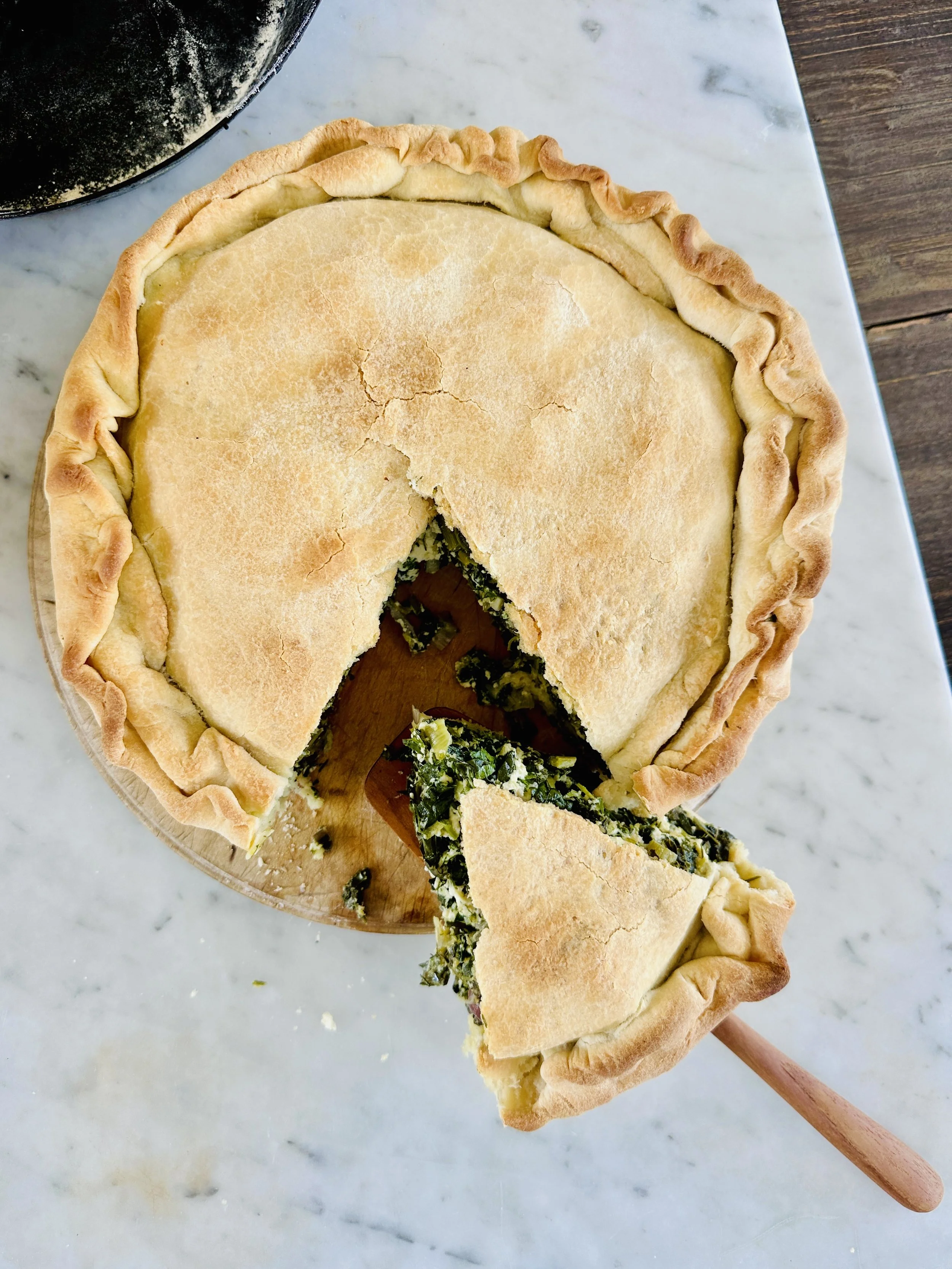
SPRING LEAFY GREENS AND RICOTTA BAKED SLICE

Delicious eaten warm or at room temperature. This slice is perfect for a light meal, a lunch box option, or as part of a picnic spread to share. It’s great way to have your leafy green fix too.

Recipe

Delicious eaten warm or at room temperature. This slice is perfect for a light meal, a lunch box option, or as part of a picnic spread to share. It’s great way to have your leafy green fix too.

Makes a 20cm X 20cm square slice.


Preheat oven to 180ºC (160ºC fan-forced). For all greens, roughly tear or chop the leaves. To prepare the stems; if using spinach or rapini, finely slice the soft stems. If using kale, remove the tough stems and discard. if using silverbeet, cut the stems finely.

Have ready a 20cm square cake tin or a 20cm round springform tin. Lightly brush the tin with a film of olive oil, then line the base and sides with baking paper. Scatter the breadcrumbs evenly over the base of the lined tin. Alternatively, for a gluten free option, omit the breadcrumbs, and scatter the base with some extra parmesan.

To prepare the filling, heat the oil in a large frying pan over medium heat. Add the leek, garlic and if using, the silverbeet stems. Cook for 8-10 minutes until softened, reducing heat if catching on the base of pan. Add the leaves and any soft stems, stirring with tongs occasionally, moving the leaves on the base to the top until all leaves are wilted. Transfer into a colander over a bowl. Set aside to drain and cool.

Meanwhile, whisk the eggs in a large bowl until lightly beaten. Season with the salt and a grind or two of pepper. Stir in the ricotta, parmesan and paprika to mix well until creamy and combined. Transfer a quarter of the mixture to a small bowl and set aside.

Squeeze the cooled wilted leaf-onion mixture to remove excess liquid. There’ll be about a cup of liquid in the base of the bowl to discard. Gently stir the leaf mixture and herbs into the egg-ricotta mix to combine well. Pour the mixture into the prepared tin and spread out evenly. Take spoonfuls of the reserved egg-ricotta mix and dollop over the top in a random pattern, as you wish.

Bake for 40 minutes, or until the slice is golden and just firm to touch. Serve warm or at room temperature. If wanting to eat at room temperature, cool completely in the tin.

Cut into desired portion size. It’s delicious served with a spicy relish or chutney.

Store in a sealed container in the fridge for up to 4 days.

Ingredients

500g (about 2 bunches) leafy greens, such as Tuscan kale, silverbeet, rapini, or English spinach (choose a combination or the same leaves)

¼ cup olive oil, plus extra for greasing tin

30 (¼ cup) fresh sour dough breadcrumbs, blitzed finely in a food processor

1 leek, white part, finely chopped

2 garlic, finely chopped

4 eggs

1 teaspoon sea salt

black pepper

400g fresh ricotta, drained

½ cup finely grated parmesan, lightly packed

1 teaspoon smoked paprika

1/2 bunch dill leaves and soft stems chopped (or mint leaves)

½ bunch parsley, leaves and soft stems chopped

Read More
Spring, Snacks & Desserts Guest User Spring, Snacks & Desserts Guest User

FRESH PINEAPPLE AND BANANA HUMMINGBIRD CAKE WITH SWEET LABNE

A moist cake flavoured with the tropics of coconut and fresh banana and pineapple. It’s simple to make, an easy mixing of the wet ingredients into dry.

Recipe

A moist cake flavoured with the tropics of coconut and fresh banana and pineapple. It’s simple to make, an easy mixing of the wet ingredients into dry. The only thing to plan is draining the yoghurt the day before to create the beautiful sweet labne. This adds a layer of freshness and tangy-ness instead of the usual super sweet cream cheese icing. Layer the cakes for an impressive presentation or serve as a single cake to enjoy during your coffee breaks or lunch box fillers and freeze the other.

Makes two 20cm round cakes (serves 8)

Start making the sweet labne the day before. Line a sieve with muslin or a clean ‘chux’ cloth and sit comfortably over a deep bowl. Tip the yoghurt into the lined sieve and fold any overhanging cloth across the top of yoghurt. Transfer to the fridge and allow yoghurt to drain for 24 hours. 

Pre-heat the oven to 180°C (fan-forced 160°C). Grease two 20cm round cake tins and line the base with baking paper.

Cut away the peel from the pineapple, remove the core and cut flesh into chunks. Place the pineapple flesh in a food processor and pulse until finely chopped (crushed), but do not puree. Measure 250g (1 cup) of the crushed pineapple including juice and set aside. Enjoy eating any remaining pineapple. Return the food processor bowl to the machine.

Sift the flour baking powder, spice and salt into a large bowl. Stir in the nuts and coconut. Set aside.

Place the oil, sugar, eggs and vanilla in the bowl of food processor and blend until well combined and creamy in texture, about 2 minutes. 

Pour the egg mixture, banana and pineapple into the dry ingredients and mix thoroughly with a spatula to combine. Divide the batter evenly between the two prepared cake tins. Bake for 35 minutes or until cooked when a skewer comes out clean when tested. Remove from the oven, set aside for 20 minutes before turning out onto a wire rack to cool completely.

When ready to decorate, remove the drained yoghurt from the fridge. Tip the yoghurt into a bowl , sprinkle over the brown sugar and stir with a spatula to combine well, the sugar will dissolve while stirring. Discard the drained liquid and the cloth can be cleaned and dried for use again. Place one of the cake bases down on a serving platter. Spread about ¾ cup of the sweet labne evenly across the top, then sit the other cake on top. Spread the remaining labne over the top in a decorative pattern. Scatter over pineapple crisps or toasted coconut flakes, to decorate the top.

To store: The un-iced cake can be frozen for up to 3 months. The cake will keep for up to 4 days in a sealed container in the fridge. It is best served at room temperature. Note that the pineapple crips or coconut decor will soften while stored in the fridge.

Ingredients

½ ripe medium pineapple (about 500g)

250g (1 2/3 cups) plain flour

3 teaspoons baking powder

1 teaspoon ground mixed spice

pinch sea salt

½ cup walnuts (or pecans, or macadamia nuts), roughly chopped

25g (1/3 cup) shredded coconut

185ml (3/4 cup) light olive oil (or sunflower oil, or rice bran oil), plus extra for greasing

220g (1 cup) raw caster sugar

2 eggs (size 70g)

1 teaspoon vanilla extract

2 ripe bananas (about 200g peeled), mashed

Sweet labne:

750g Greek natural yoghurt (full fat)

(75g) 1/3 cup brown sugar

Dehydrated pineapple chips (or ¼ cup toasted flaked coconut), for garnish

Read More
Mains, Autumn, Winter, Chicken Hannah Titmarsh Mains, Autumn, Winter, Chicken Hannah Titmarsh

TRAY BAKED SPICED CHICKEN WITH QUINCE AND RICE

One pot cooking is all about maximum flavour, oven to table eating and the bonus, minimal cleaning up.

Recipe

One pot cooking is all about maximum flavour, oven-to-table eating and the bonus, minimal cleaning up. Here, the spice-infused rice has a light crust on top and is fluffy underneath. It acts as a bed for the chicken and quince, keeping the flesh moist while baking.

Pat the chicken dry with paper towel, then season with salt and grinding of pepper. Heat the olive oil in a large heavy based frying pan or deep sided baking dish (20cm x 30cm) over a medium-high heat.

Add the chicken skin side down, cook until dark golden brown, about 6-7 minutes. Flip over and cook other side for 5 minutes. Transfer the chicken to a plate. Spoon out half of the rendered fat (discard or save for other cooking uses). 

Return the pan to the heat, add the onion and garlic and cook for 5 minutes, stirring occasionally until onions are soft and lightly golden. Stir in the rice and spread out evenly. Scatter over the lemon peel, cardamom seeds, ground cumin, cinnamon quill and a teaspoon of salt.

Pour over the lemon juice and hot stock. Arrange the chicken pieces skin side up and the quince wedges over the top nestling into the rice. Cover the baking dish or pan with a large piece of foil sealing around the edges.

Carefully transfer to the oven and bake for 30 minutes. Remove from the oven and take off the foil (be careful of the escaping steam). Return to the oven for a further 15 minutes to finish cooking.  Transfer the hot baking dish to bench and set aside 5 minutes before serving.

Serve scattered with fresh coriander sprigs.

Ingredients

8 chicken thighs with skin and bone in (also called chicken chops)

1 teaspoon sea salt

Black pepper

¼ cup (60ml) olive oil

1 brown onion, finely chopped

1 garlic, chopped

300g (1 ½ cups) long grain rice, rinsed and drained

Peel and juice of a lemon

seeds from 3 crushed cardamom pods

1 teaspoon ground cumin

1 cinnamon quill

625ml (2 ½ cups) chicken or vegetable stock, warmed to a simmer

1 quince (about 220g), cut into 6 wedges and cores removed

Handful of coriander sprigs, for garnish

Read More
Mains, Autumn, Winter, Beef Hannah Titmarsh Mains, Autumn, Winter, Beef Hannah Titmarsh

STOUT BRAISED BEEF AND POTATO POT PIE

Slow cooked meltingly tender meat topped with creamy mash is one the most comforting meals around on a cold winter’s day. 

Recipe

Slow cooked meltingly tender meat topped with creamy mash is one the most comforting meals around on a cold winter’s day. Serve with a crunchy fresh salad like the winter green slaw recipe.

Remove the meat from the refrigerator 20 minutes before cooking. Pre-heat the oven to 150°C (130°C fan-forced). 

Cut the beef into 4cm chunks. Season with salt and a grind of pepper. Heat the oil in a medium-sized, heavy-based casserole dish over a high heat. Add a third of the beef, cook for about 2 minutes until browned and turn over to cook other side. Transfer to a plate and cook the remaining beef in two more batches. Set plate of meat aside. 

Reduce the heat to medium. Add the onions and cook for 5 minutes, stirring occasionally until just softened. Add the carrot and celery and cook for 5 minutes, stirring occasionally, until lightly golden. Return the meat to the pot. Sprinkle over the flour and paprika, stir to combine and cook for a minute. Pour in the Worcestershire sauce, stock and stout, bring to the boil, then remove from the heat. Stir in the tomato paste, orange peel, thyme and bay leaves. Cover the surface with a piece of baking paper then with a tight-fitting lid and transfer to the oven. Cook for 3 hours or until the beef is very tender and breaks up easily with a fork. Discard the thyme sprigs and bay leaves. Season with salt and a grind of pepper.

Meanwhile to make the mash potato, place potatoes in a large saucepan and cover with cold water. Bring to the boil over a high heat and cook until tender, about 20 minutes. Drain the potatoes and return to the pan. Add the cream and butter and mash until smooth (for extra creamy mash pass the potatoes through a mouli first).

Season with salt and grinding of pepper, to taste.

Increase the oven temperature to 200°C (180°C fan-forced). When ready to serve, transfer the cooked meat to a deep sided 1.5 litre capacity baking dish (alternatively use the same pot holding the cooked meat). Top with the potato and spread to cover the surface. Bake until golden brown and the sauce is bubbling around the edges, about 15-20 minutes.

NOTE: The braised beef can be made up to 3 days ahead, cooled and stored in an airtight container in the fridge. To serve, reheat covered in a medium saucepan over a medium heat. 

Ingredients

1kg beef chuck or oyster blade steak

sea salt 

black pepper

2 tablespoon olive oil

1 brown onion, finely chopped

1 medium carrot, cut into 2cm dice

2 celery sticks, tough strings removed, cut into 1cm dice

1 tablespoon plain flour

1 tablespoon Spanish smoked paprika

2 tablespoons Worcestershire sauce

500ml (2 cups) beef stock 

330ml stout or other dark beer

2 tablespoons tomato paste

peel from 1 orange, pith removed

6 thyme sprigs

2 bay leaves

1kg potatoes, peeled and chopped into roughly 4cm pieces

300ml thickened cream

50g butter, softened

Read More